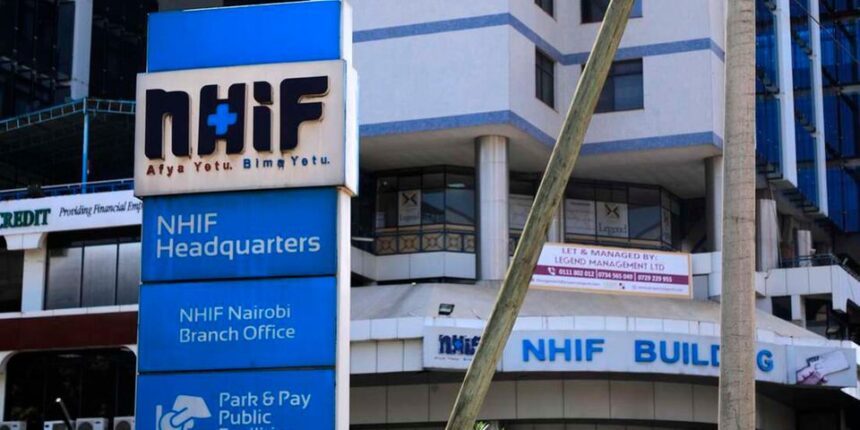
Nairobi, Kenya – July 17, 2025: The government-sponsored EduAfya health scheme has come under fire after Auditor General Nancy Gathungu flagged Sh2.2 billion in overpayments made to the defunct National Health Insurance Fund (NHIF).
In a special audit report tabled in Parliament on Tuesday, Gathungu revealed that the amount remitted far exceeded the premiums due — raising red flags about inflated figures, phantom beneficiaries, and poor oversight by both the Ministry of Education and the Ministry of Health.
EduAfya Audit Reveals Gross Financial Irregularities
According to the Auditor General’s report, while premiums payable during the review period amounted to Sh14.17 billion, the government remitted a total of Sh16.46 billion, resulting in an excess of Sh2.29 billion.
“The excess remittance between the premium payable and the remittance for the period under review was not reconciled or explained,” Gathungu noted.
The audit covered four fiscal years: 2020–21, 2021–22, 2022–23, and 2023–24.
Millions Paid, but Few Students Benefited
The EduAfya health scheme audit also found that out of 9,312 secondary schools whose capitation was retained and remitted to the programme, only 8,846 had records of students accessing medical services.
More shockingly, the Ministry of Education paid Sh16.4 billion, but students received only Sh5.3 billion worth of health services, leaving a discrepancy of Sh11.1 billion that largely benefited the insurer.
“Value for money on the disbursed amount to NHIF or the health services rendered could not be confirmed,” Gathungu told Parliament.
465 Schools with No Records of Use
The audit also revealed that 465 secondary schools, with Sh273 million in capitation funds remitted to EduAfya, had no evidence of any students accessing medical services.
Even more troubling, the report revealed that facility visits were recorded up to February 28, 2024 — two months after the scheme officially ended on December 31, 2023. During this time, 65 visits worth Sh35,550 were documented, raising concerns about data manipulation.
Non-Secondary Students Illegally Benefitted
Despite strict eligibility rules limiting the EduAfya cover to secondary school students, the audit discovered that 4,100 primary and JSS schools — not part of the Nemis capitation data — had 15,468 unauthorized visits valued at Sh40.1 million.
This points to systemic abuse and lack of data verification in implementing the scheme.
About EduAfya: A Scheme Gone Wrong?
Launched in May 2018, EduAfya was a comprehensive medical cover funded through the Free Day Secondary Education Programme. The Ministry of Education entered a contract with NHIF to provide inpatient, outpatient, accidental death benefits (Sh500,000) and last expense (Sh100,000) for over 3.4 million students.
The contract was to serve public secondary school learners through a centralised, state-funded health insurance scheme. However, the latest audit raises troubling questions about transparency, accountability, and fiscal discipline in government programmes.
📰 Related News from Sauce.co.ke
- Kenyans protest government waste amid economic hardship
- Top NHIF officials face charges over procurement scandal
- Education ministry on the spot again after audit flags ghost schools
For more investigative reports and news on government accountability, visit our Governance & Policy section at sauce.co.ke.