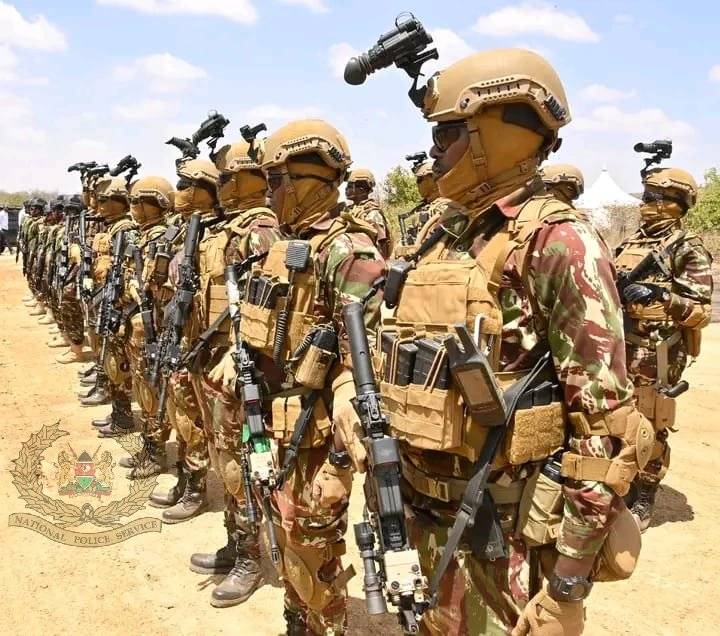
Nairobi, Kenya — Friday, November 14, 2025: The Kenya police recruitment exercise will proceed on Monday, November 17, after the High Court lifted its earlier suspension. Justice Bahati Mwamuye issued the ruling on Friday, clearing a legal roadblock that had stalled the national process for days.
The exercise had been halted on November 10 after activist Eliud Matindi filed a petition. He argued that Inspector General of Police Douglas Kanja did not have the constitutional authority to conduct recruitment independently. However, Justice Mwamuye lifted the conservatory orders, noting that delaying the exercise could disrupt national operations.
Why the Court Lifted the Suspension
On Thursday, IG Kanja, represented by State Counsel Marwa Christopher, told the court that the delay posed a national security risk. He said the service urgently needed new officers ahead of the 2027 General Election, especially after several cycles without recruitment due to budget constraints.
He also emphasized that training takes months. Therefore, any additional delay would limit the service’s ability to deploy officers in time.
This latest ruling follows a related decision in October. Then, the Employment and Labour Relations Court nullified an earlier plan after ruling that the National Police Service Commission (NPSC) did not have authority over recruitment. Justice Hellen Wasilwa clarified that recruitment and training fall under the NPS, paving the way for IG Kanja to set fresh dates.
(For more judicial and governance updates, follow similar stories on Sauce.co.ke.)
Requirements for Applicants
According to NPS guidelines, applicants must meet several conditions:
- Be Kenyan citizens aged between 18 and 28.
- Hold a valid national ID.
- Possess a KCSE grade of at least D+, including a D+ in English or Kiswahili.
- Be medically and physically fit.
- Meet height requirements: 5ft 8in (men) and 5ft 3in (women).
- Female applicants must not be pregnant during recruitment or training.
What This Ruling Means for the Country
The resumption of the Kenya police recruitment exercise offers a significant boost to the service. Kenya has struggled with understaffing for years, and new officers are essential as the country prepares for a politically active period leading into 2027.
Meanwhile, the ruling also clarifies lingering legal questions around who has the authority to conduct police recruitment.
For context and comparison, see regional law-enforcement frameworks from organizations such as
Amnesty International,
Human Rights Watch,
UNODC,
and insights from the African Union Peace and Security Council via AU.int.
You can also follow updates from the Kenya Judiciary through Judiciary.go.ke.