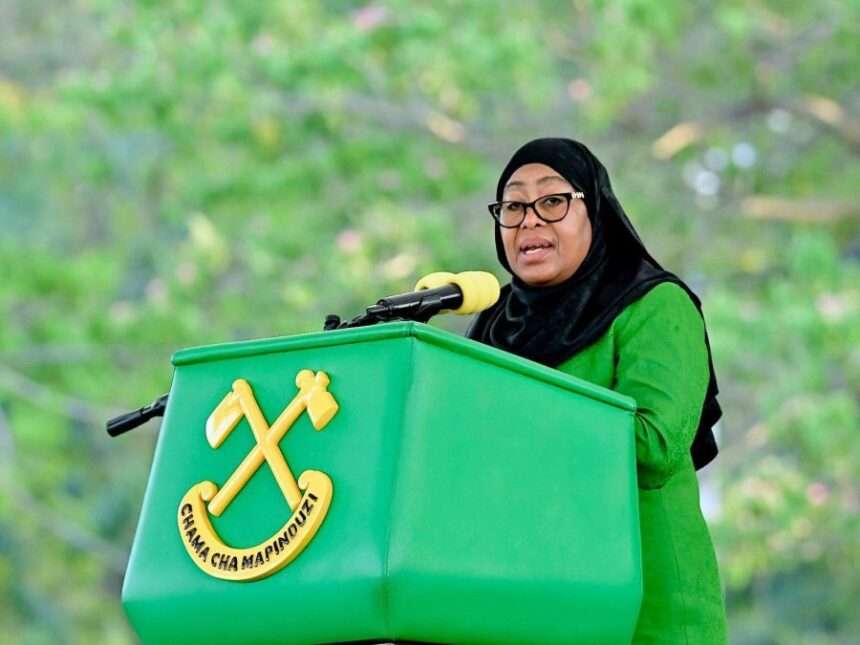
Tanzania’s electoral commission has declared President Samia Suluhu Hassan the winner of the 2025 general election with an overwhelming 98 percent of the vote, following a week marked by violent protests and allegations of political repression.
The victory secures President Suluhu, who took office in 2021 after the death of her predecessor John Magufuli, another five-year term to lead the East African nation of more than 68 million citizens.
Deadly Protests Erupt Over Disputed Vote
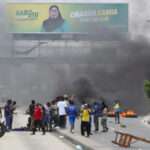
The election, held on Wednesday, October 29, descended into chaos as protesters clashed with security forces in several cities, accusing the government of rigging the vote and suppressing opposition candidates.
According to eyewitnesses, demonstrators tore down campaign banners, set government buildings ablaze, and blocked roads before police fired teargas and live rounds to disperse crowds.
Tanzania’s main opposition party reported that hundreds were killed, while the U.N. Human Rights Office confirmed credible reports of at least 10 deaths across Dar es Salaam, Arusha, and Dodoma.
Opposition Decries “Sham Election”
The opposition condemned the vote as a sham, claiming the electoral commission excluded President Suluhu’s two main challengers from contesting.
Party leaders accused the government of orchestrating mass arrests, blocking campaign rallies, and intimidating voters, effectively ensuring a one-sided outcome.
“This was not an election but a state-managed coronation,” one opposition leader said, vowing to challenge the results both locally and internationally.
Government Defends Outcome
The government dismissed the opposition’s claims as “hugely exaggerated”, insisting that law and order were maintained during the vote.
Officials also defended the country’s human rights record, calling the allegations of excessive force politically motivated narratives meant to destabilize the nation.
Meanwhile, U.N. and African Union observers have called for restraint and urged the government to investigate reported killings and ensure transparency in the post-election process.
Regional and Global Reactions
International watchdogs and regional blocs, including the East African Community (EAC) and Amnesty International, have expressed concern over the use of force against peaceful protesters and the suppression of dissent.
The developments come as Tanzania continues to grapple with political polarization, youth unemployment, and rising living costs, all of which could fuel further unrest in the coming days.
Related Articles
- Internet Restored in Tanzania After Deadly Election Protests
- UN Urges Tanzania to Investigate Election-Related Killings
- Kenya Calls for Calm as Tanzania Unrest Spills Over to Namanga Border