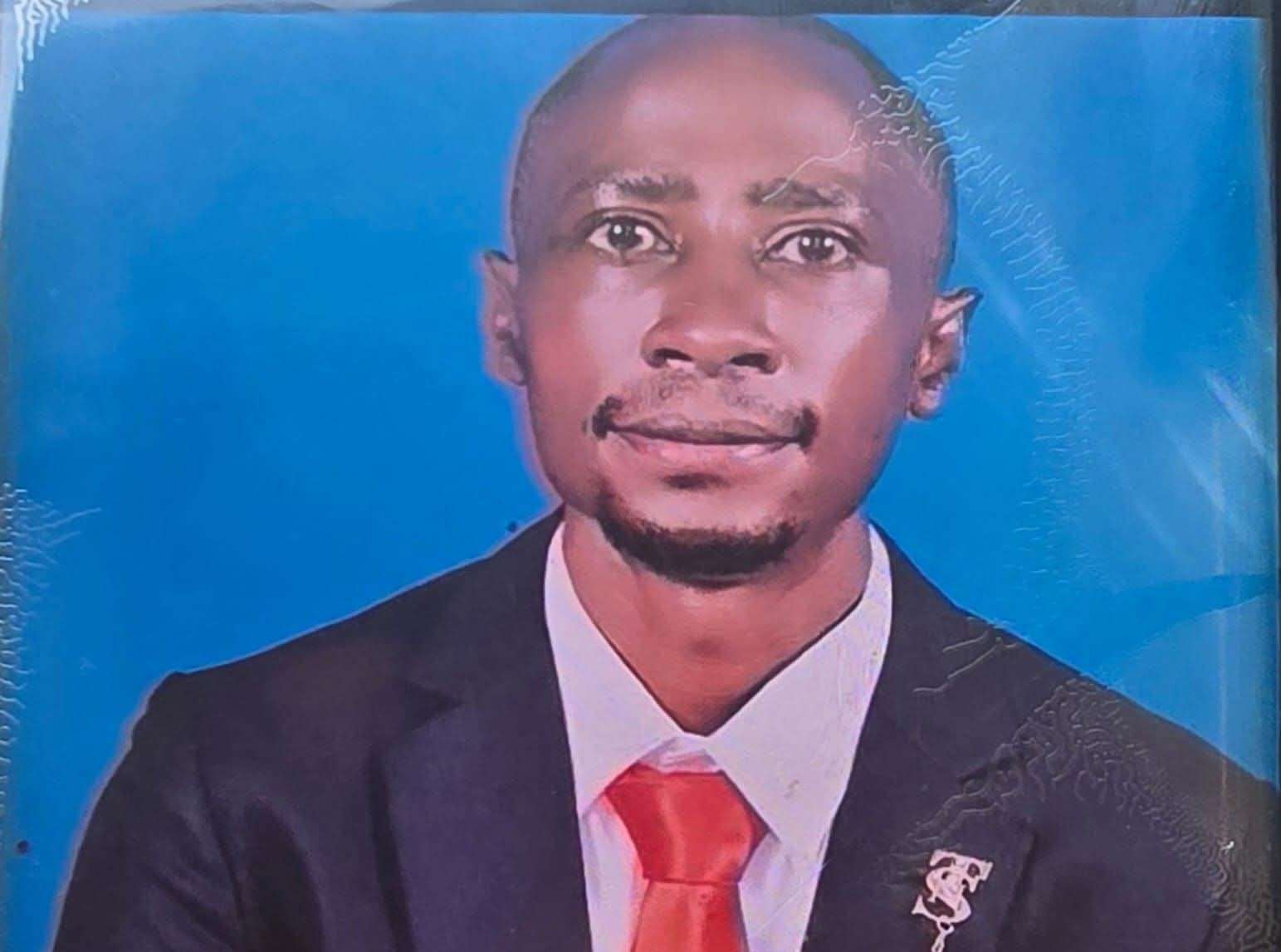
Nairobi, Kenya – Wednesday, January 7, 2026 – Kenyan filmmaker Nicholas “Nick” Wambugu, best known for his work linked to the Blood Parliament documentary that spotlighted Gen Z–led protests, has died after a prolonged illness.
A close friend confirmed Wambugu’s death on Wednesday. He had been receiving treatment in hospital following a long battle with a rare and aggressive blood disorder.
Cause of Death
Wambugu had been diagnosed with Hypocellular Myelodysplastic Syndrome (MDS), a serious condition that prevents the bone marrow from producing enough healthy blood cells.
In recent months, his family and friends had appealed to the public for financial support, saying the award-winning filmmaker urgently needed a bone marrow transplant in India. The procedure and related medical costs were estimated at KSh 9 million.
Despite the fundraising efforts, his condition continued to deteriorate.
Final Public Appeal
Wambugu’s last Facebook post was an emotional appeal ahead of a planned medical fundraiser scheduled for Saturday, January 10, at Homeland Inn along Thika Road.
“For most of my life, I’ve used my camera to tell stories of courage — people who rise again after life tries to break them,” he wrote.
“Today, I find myself living one of those stories.”
He described the transplant as his only chance at recovery. He also asked for prayers, presence, and generosity from friends, colleagues, and the wider public.
“Because even in the dimmest light, hope still finds its way into the frame,” he added.
Blood Parliament and Press Freedom Controversy
Wambugu rose to national prominence in 2025 amid a press freedom storm linked to the BBC Africa Eye documentary Blood Parliament, which exposed alleged corruption in Kenya’s Parliament during the Gen Z protests.
In May 2025, police arrested Wambugu alongside three other filmmakers over claims that they were involved in producing the documentary. However, both Wambugu and the BBC firmly denied that he or his team took part in the project.
After his release, Wambugu filed court documents alleging that police had installed FlexiSPY spyware on his phone while it was in custody. The claim sparked widespread concern among journalists, filmmakers, and rights groups over state surveillance and media freedom in Kenya.
Tributes Pour In
Following news of his death, tributes poured in from filmmakers, journalists, activists, and Gen Z leaders, many praising his courage, storytelling skill, and commitment to social justice.
Colleagues described Wambugu as a fearless creative who believed in using film to hold power to account and amplify unheard voices.
His death marks another major loss to Kenya’s creative and media community.