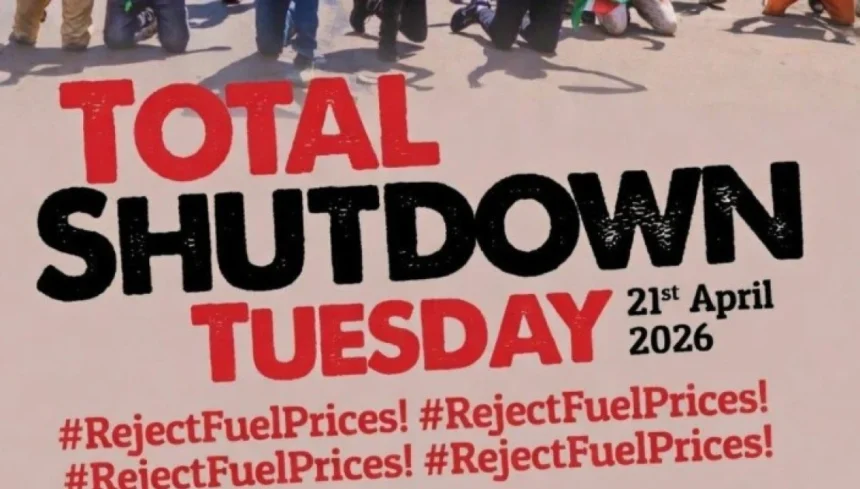
Nairobi’s Central Business District remained unusually calm on Tuesday morning, with only a light police presence visible hours before planned nationwide protests over rising fuel prices.
Unlike previous demonstrations that saw heavy security deployments and road barricades, only a handful of officers were spotted patrolling the streets on foot, carrying batons. The low-key approach stood out in a city often braced for tension ahead of major protests.
Business activity proceeded uninterrupted, with most shops open and customers going about their routines. Traffic flowed smoothly along major roads, while light morning showers added to the subdued atmosphere across parts of the capital.
The calm comes despite growing anticipation of demonstrations organised by a coalition of Gen Z activists and opposition-linked groups, who have called for countrywide protests to demand further reductions in fuel prices and address the rising cost of living.
Recent fuel price adjustments by the Energy and Petroleum Regulatory Authority have been at the centre of public frustration. Prices initially surged sharply for the April–May cycle before being revised downward following a reduction in Value Added Tax from 13 per cent to 8 per cent.
In Nairobi, the revised prices saw super petrol drop to Sh197.60 per litre and diesel to Sh196.63, while kerosene remained unchanged.
The adjustments, which took effect on April 16, followed an earlier spike that had pushed fuel costs to record highs, intensifying pressure on households and businesses.
Despite the partial relief, many Kenyans continue to feel the strain of high living costs, prompting calls for more comprehensive government intervention.
Security agencies have already issued warnings ahead of the planned protests. Nairobi Regional Police Commander Issa Mohammud cautioned that while the Constitution guarantees the right to peaceful assembly, demonstrations must not disrupt public order or infringe on the rights of others.
Article 37 of the Constitution protects the right to assemble, demonstrate, and present petitions, provided such actions remain peaceful and unarmed. Authorities, however, have warned they will act against any unlawful activities, including road blockages or interference with economic activity.
Protest organisers have signalled intentions to stage a “total shutdown” of the CBD, raising concerns about potential disruption if tensions escalate later in the day.
At the same time, allegations have surfaced suggesting that some protests in the past have been infiltrated by disruptive elements, including individuals in government are reportedly used to incite chaos.
Such claims have often been linked to incidents where otherwise peaceful demonstrations turned violent, resulting in property damage and, in some cases, loss of life.