The United States has begun carrying out airstrikes in the Middle East in retaliation for last Sunday’s fatal drone attack on an American base in Jordan.
The U.S. Central Command said its forces on Friday “conducted airstrikes in Iraq and Syria against Iran’s Islamic Revolutionary Guards Corps [IRGC] Quds Force and affiliated militia groups. U.S. military forces struck more than 85 targets, with numerous aircraft to include long-range bombers flown from [the] United States.”
“We hit exactly what we meant to hit,” said U.S. Army Lieutenant General Douglas Sims, who serves as the operations director for the Joint Chiefs of Staff. He explained the air assault took place over about 30 minutes and said that three of the sites struck were in Iraq and four were in Syria.
Iraq, but not Iran, was informed prior to the strikes, according to U.S. officials.
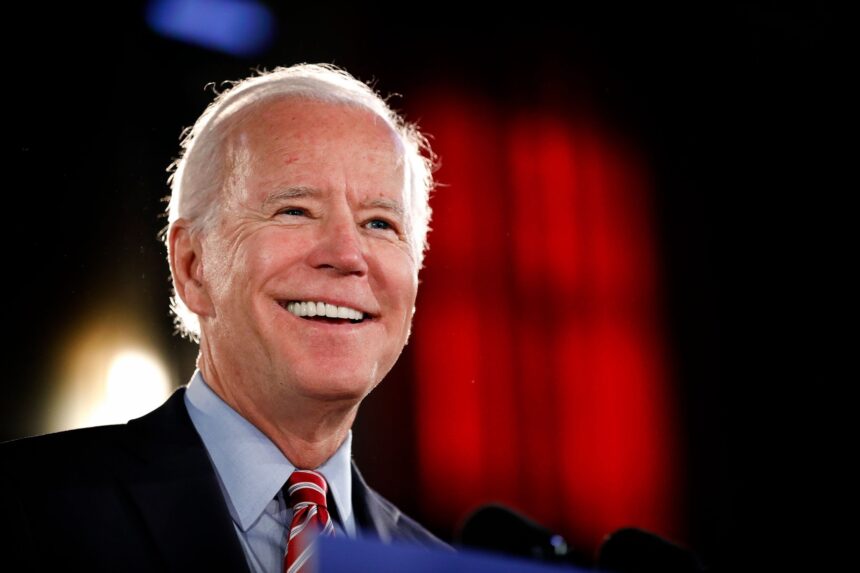
U.S. President Joe Biden said the attacks were carried out at his direction.
“Our response began today. It will continue at times and places of our choosing. The United States does not seek conflict in the Middle East or anywhere else in the world. But let all those who might seek to do us harm know this: If you harm an American, we will respond,” said Biden in a Friday evening statement.
However, Mike Johnson, speaker of the House of Representatives, was critical of the Biden administration’s weeklong delay in launching a retaliatory attack.
“Unfortunately, the administration waited for a week and telegraphed to the world, including to Iran, the nature of our response,” Johnson said in a statement. “The public handwringing and excessive signaling undercuts our ability to put a decisive end to the barrage of attacks endured over the past few months.”
Hours before the U.S. military response, Iranian President Ebrahim Raisi reiterated earlier promises to potentially retaliate for any U.S. strikes targeting its interests.
Iran, he said, “will not start a war, but if a country, if a cruel force wants to bully us, the Islamic Republic of Iran will give a strong response.”
Iraqi military spokesperson Yahya Rasool said in a statement that the strikes are a “violation of Iraqi sovereignty” and “pose a threat that could lead Iraq and the region into dire consequences.”
Syria’s Defense Ministry said in a statement early Saturday that the U.S. “launched a blatant air aggression against a number of sites and towns in the eastern region of Syria, and near the Syrian-Iraqi border, which led to the martyrdom of a number of civilians and soldiers, the injury of others, and the infliction of significant damage to public and private property.”
B-1 bombers were flown from the United States and were part of the operation that used more than 125 precision munitions, according to U.S. military officials.
“This is the start of our response,” Defense Secretary Lloyd Austin said in a statement. “The president has directed additional actions to hold the IRGC and affiliated militias accountable for their attacks on U.S. and Coalition Forces. These will unfold at times and places of our choosing.
“There will be additional response actions taken in [the] coming days.”
On a call with journalists, White House National Security Council spokesperson John Kirby said, “There will be additional response actions taken in [the] coming days.”
The U.S military said it struck “command and control operations, centers, intelligence centers, rockets, and missiles, and unmanned aired vehicle storages, and logistics and munition supply chain facilities of militia groups and their IRGC sponsors who facilitated attacks against U.S. and coalition forces.”