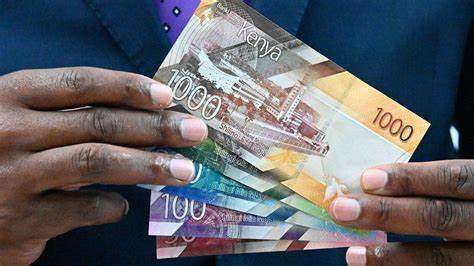
The US dollar staged a notable comeback against the Kenyan shilling last week, as reported by the Central Bank of Kenya (CBK).
The shilling experienced a significant depreciation, with its exchange rate hitting a high of Sh131.44 against the dollar.
Forex Bureau rates showed the Kenyan currency fluctuating between Sh133 to Sh135 against the dollar, indicating a weakening trend.
Commercial banks consistently reported high exchange rates, with the dollar selling at Sh137 and reaching a low of Sh131 for the fifth consecutive time.
This five-day streak of losses against the dollar marked the first such occurrence since mid-March.
Just two weeks ago, the shilling was rallying against the dollar, trading at Sh127, signaling a robust performance in the foreign exchange market.
The CBK’s intervention in the forex market was credited with supporting the shilling’s appreciation against the dollar.
Additionally, favorable export conditions and steady remittance inflows also contributed to the shilling’s strength.
However, this resurgence of the dollar is expected to pose challenges for Kenyan importers and travelers, as it raises the cost of imported goods and foreign travel expenses.
In January 2024, the shilling hit its weakest point, exchanging at Sh160 against the dollar before bouncing back to 133.99 per dollar.
On March 12, the CBK quoted the shilling at Sh139, marking the first time it officially quoted this rate since June 2023.
The depreciation of the dollar had become a source of concern, with CBK Governor Kamau Thugge indicating that intervention would occur if the fall continued beyond the expected limit. With Kenya importing most manufacturing raw materials, a strong shilling against the dollar would reduce manufacturing costs and subsequently lower the cost of goods.
Thugge mentioned that external debts currently stood at $38 billion, emphasizing the importance of currency stability.
The continued appreciation of the shilling against the dollar has resulted in significant savings for the government, estimated at Sh40 billion for every shilling gained.
This positive impact has extended to the livelihoods of Kenyans, with petrol prices dropping significantly and electricity bills expected to follow suit.