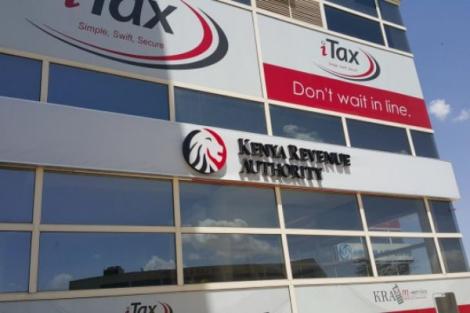
Kenya Revenue Authority (KRA) has hit the two trillion mark after collecting Kshs 2.112 trillion as of 30th April, 2025.
The collection reflects a performance rate of 96.5% against the target of Kshs 2.189 trillion. During the period, revenue collection registered a growth of 6.1%, reflecting an upward trajectory in collection compared to Kshs 1.990 trillion realised in the same period during the previous financial year (2023/2024).
In the period under review, domestic taxes amounted to Kshs 1.386 trillion between July – April 2024/25, translating to a revenue growth of 4.7% over Kshs 1.323 trillion realised in July and April 2023/24.
Customs revenue collection also grew by 9.1% after registering a cumulative collection of Kshs 722.743 billion, compared to Kshs 662.447 billion that was collected in the same period of FY 2023/24.
Agency revenue (collected on behalf of other government entities) collection amounted to Kshs 205.518 billion, registering a performance rate of 111.8% against a target of Kshs 183.789 billion. This represents a growth of 37.1% compared to the collection of Kshs 149.876 Billion realised in the same period of the previous financial year (2023/2024).
Exchequer revenue (collected on behalf of the National Treasury) amounted to Kshs 1.906 trillion, reflecting a performance rate of 95.0% against a target of Kshs 2.006 trillion. This represents a growth of 3.6% compared to the collection of Kshs 1.840 trillion that was collected in the same period in the previous financial year (2023/2024).
In spite of the progressive growth, the collection was affected by various economic indicators that directly drive revenue collection. The various indicators that influence revenue performance have generally moved contrary to expectations, affecting revenue mobilisation.
GDP grew at a slower pace of 4.0% in Q3 2024, compared to 6.0% in Q3 2023.
Similarly, the Purchasing Managers Index (PMI) averaged at 49.8 between July 2024 and April 2025, indicating a slowdown in private sector activities. This subdued demand was further evidenced by a 1.6% drop in import values, an important indicator of domestic demand for both raw materials and consumer goods.
Additionally, in spite of the Central Bank of Kenya lowering its base lending rate to 10.75%, commercial bank lending rates remained high, averaging 17.22%, as a number of banks had yet to adjust their rates. This disparity negatively impacted private sector borrowing and investment. However, there are strong indications that most banks are working towards ensuring compliance.
Despite a stronger shilling, the value of imports declined, particularly oil, which dropped by 10.2%. Export earnings also shrank by 3.6%, driven by declines in key sectors such as tea (–18.6%) and horticulture (–6.2%).
The adverse effects from most of these indicators is beginning to dissipate as most of them start to experience a turnaround in the recent past.
A recent policy change has allowed taxpayers to offset their current tax liabilities using adjustment vouchers such as refund and overpayment adjustment vouchers. A number of taxpayers utilised Kshs 53.8 billion in adjustment vouchers accrued from previous periods to offset current tax liabilities, reducing effective collections.
Moreover, the reclassification of SHIF and the Housing Levy from tax reliefs to allowable deductions before tax computation has lowered the Pay-As-You-Earn (PAYE) tax base.
Despite revenue mobilisation being impeded by impacts from the above factors, KRA enhanced its compliance through various initiatives.