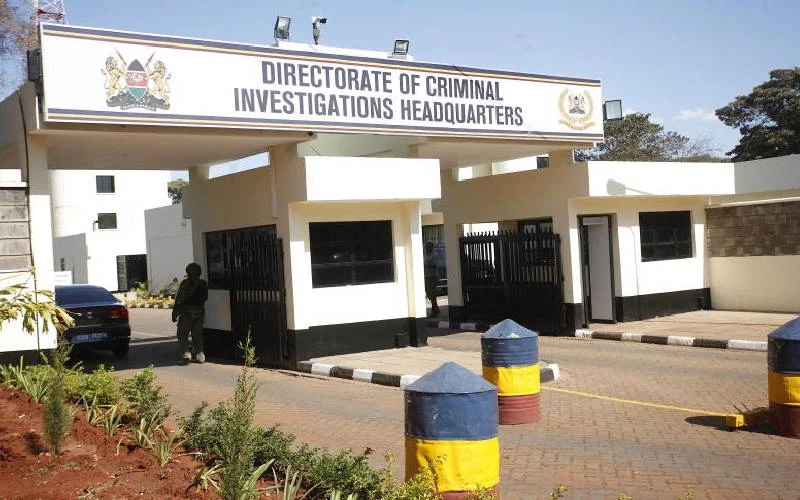
The Directorate of Criminal Investigations (DCI) has dismantled a six-member cybercrime syndicate that used sophisticated caller ID spoofing technology to defraud unsuspecting victims of millions of shillings through deceptive phone calls.
In a statement released on Wednesday, DCI confirmed the arrest of the suspects in Nyali, Mombasa County, following an intelligence-led security operation that flushed them from their hideout — a rented Airbnb apartment that had been converted into a tech-savvy fraud base.
“Six cybercrime suspects implicated in a series of serious fraud through spoofing to dupe their targets, whereafter they siphon millions of cash electronically, have been arrested,” the DCI stated.
According to investigators, the fraudsters employed a caller ID spoofing application to mask their phone numbers, making them appear as legitimate calls from bank customer care or mobile service providers. This social engineering tactic gave the scammers an air of authenticity, prompting victims to disclose sensitive information like PINs and account details.
With this information, the suspects were able to access victims’ accounts and transfer large sums of money electronically.
DCI identified one of the six suspects as the alleged mastermind of the operation. He is reported to have supplied his spoofing services to the notorious ‘Mulot Swapper’ fraudsters for a fee. The fraud ring reportedly paid Ksh500,000 to acquire the software, configure it, and secure an IP address for their illegal activities.
This technology is said to be in high demand within underground fraud networks due to its effectiveness in bypassing victims’ suspicions.
“The mastermind poses as a customer service representative to initiate panic in the victim, prompting them to share private details that are then used to steal money,” a DCI source said.
Detectives revealed that the syndicate used the Airbnb as a command center — not only to commit fraud but also to train new recruits on how to use the spoofing software effectively.
DCI has since confiscated several electronic gadgets, routers, mobile devices, and SIM cards believed to have been used in the fraud.
Investigations are ongoing as the suspects await arraignment, with the DCI reiterating its warning to the public to remain vigilant and cautious when responding to phone calls requesting sensitive personal information.