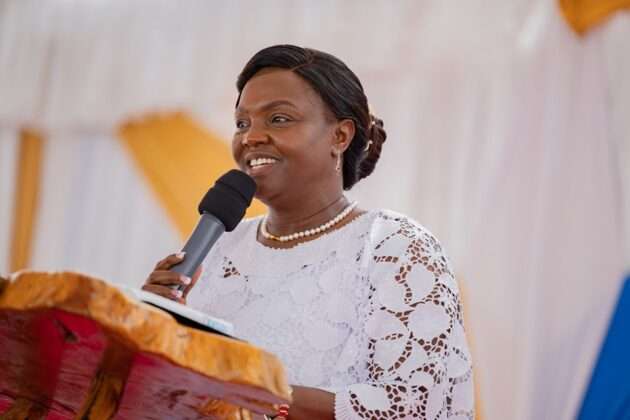
Washington D.C., United States – Thursday, July 24, 2025: Pastor Dorcas Rigathi has publicly dismissed claims by National Assembly Majority Leader Kimani Ichung’wah that she is controlling her husband, former Deputy President Rigathi Gachagua. Speaking during a clergy meeting in the United States, Dorcas strongly refuted the allegations, calling them “outright lies.”
She questioned how anyone could believe she dominates a man of Gachagua’s political standing, saying, “How can you sit on a man like this, who is causing the whole nation not to sleep?” In reference to his popular nickname, she added, “A man whom the President, the Deputy President, and MPs frequently mention — is that the kind of man you claim I control? You are such liars.”
The remarks follow Ichung’wah’s comments earlier this week, which suggested that Gachagua is being overshadowed by his wife. The claims sparked uproar both within the United Democratic Alliance (UDA) party and across social media platforms.
“We Speak As One,” Says Dorcas
Dorcas clarified that her public presence does not stem from dominance but from shared values with her husband. She said, “We operate as one. We speak before or after each other depending on the program. That’s partnership, not control.”
Her comments reflect the broader mission she shares with Gachagua, including efforts around youth empowerment and family restoration, which she promotes through the Dorcas Rigathi Foundation. The couple’s coordinated public appearances, she argued, are evidence of unity, not imbalance.
Political observers suggest that Ichung’wah’s remarks could signal a growing rift within Kenya Kwanza ahead of the 2027 general election. Some analysts see this as part of internal power struggles that could weaken the coalition’s stability in the coming years.
Dorcas Presses on With U.S. Tour
Despite the controversy, Pastor Dorcas has continued her official tour of the United States, where she is meeting with faith-based organizations, Kenyan diaspora communities, and church leaders. Her focus has been on the “Boy Child” agenda, which promotes inclusive gender engagement and the spiritual well-being of young men.
During a stop in Atlanta, she encouraged diaspora families to maintain traditional family values and called for more youth mentorship programs. Organizations such as Global Fund for Women, UNFPA, and UNAIDS have lauded efforts to address gender imbalances that impact vulnerable children across Africa.
She also addressed the role of political spouses, echoing studies like those published by Nation.Africa, which examine the public influence of partners in Kenyan politics.