Gafsa, Tunisia – July 17, 2025: Global outrage is growing after a Tunisian man was jailed for refusing to watch President Kais Saied on TV while in prison. The shocking case has drawn fierce criticism from human rights groups, who say it is the latest sign of Tunisia’s alarming slide into authoritarianism.
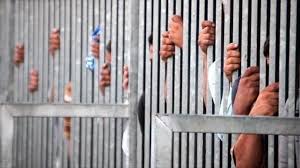
The Tunisian man jailed for refusing to watch president on TV was serving time in a prison in Gafsa, southern Tunisia, when his cellmate reported him for requesting that a news channel be changed during coverage of the president’s activities.
Why Was the Tunisian Man Jailed for Refusing to Watch President on TV?
According to the Tunisian League for Human Rights, the inmate not only turned away from the screen but also verbally expressed frustration with the president and blamed him for personal hardship — including deportation from Italy, where he had lived undocumented for years.
“He insulted the president and said he didn’t want to see him on television. For that, he got six months added to his sentence,” said his lawyer, Sghaier.
The man’s family only discovered the extended sentence after he failed to return home on his expected release date.
Kais Saied Crackdown: Is Tunisia Criminalizing Dissent?
This case is part of a growing pattern under President Kais Saied, whose government has jailed several opposition leaders, journalists, and critics.
As detailed by Human Rights Watch and Al Jazeera, the Tunisian president has weaponized the justice system to suppress dissent since assuming sweeping powers in 2021.
“The policy of silencing critics now extends even to those behind bars,” said the Tunisian League for Human Rights in a public statement.
This includes migrants, like the jailed man, who was deported under the Tunisia-Italy migrant return deal — a controversial agreement that has fueled resentment within the Tunisian diaspora.
Rights Groups Demand Immediate Release and Accountability
The United Nations Human Rights Office and other watchdogs have called for Tunisia to uphold freedom of expression, including for prisoners. NGOs argue that this case highlights the shrinking space for criticism — even informal or emotional — in the country.
“This isn’t just about watching TV,” said a Tunisian activist. “It’s about criminalizing basic freedom of thought.”
Related Articles on Sauce.co.ke
- Gen Z protests: One year later
- Media freedom under threat across Africa
- Man arrested in Kisii for killing daughter
For breaking stories on prison rights, political repression, and North African politics, visit our World News section.