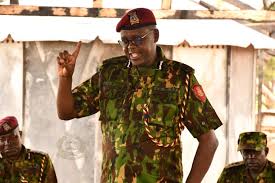
Deputy Inspector General of Police Eliud Lagat has told the High Court that only the Director of Public Prosecutions (DPP) has the constitutional authority to decide whether he should face charges over the death of blogger Albert Omondi Ojwang.
Through his lawyer Cecil Miller, Lagat argued that compelling the DPP to prosecute him would unlawfully undermine prosecutorial independence.
“No Evidence Linking Me to Incident”
In submissions filed in court, Lagat insisted he had no involvement in Ojwang’s alleged arrest, torture, and killing.
“The blanket allegation that I am a prime suspect is defamatory and unsupported by any investigative finding,” Lagat said.
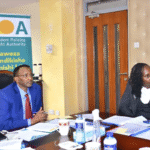
He told the court that both the Independent Policing Oversight Authority (IPOA) and the DPP investigated the case and found no evidence linking him to the crime. Other individuals were charged instead.
Lagat added that he voluntarily stepped aside to allow unfettered investigations and that his continued service as DIG does not violate the constitution.
Position Alone Does Not Imply Guilt
The DIG stressed that he was not present at the scene, did not issue unlawful instructions, and had no operational role in the incident – only administrative oversight.
“The law does not impute liability simply because of rank or office, absent proof of personal involvement,” he said in the court papers.
For more on Kenya’s criminal justice process, visit ODPP Kenya and related accountability reports on Sauce.co.ke.