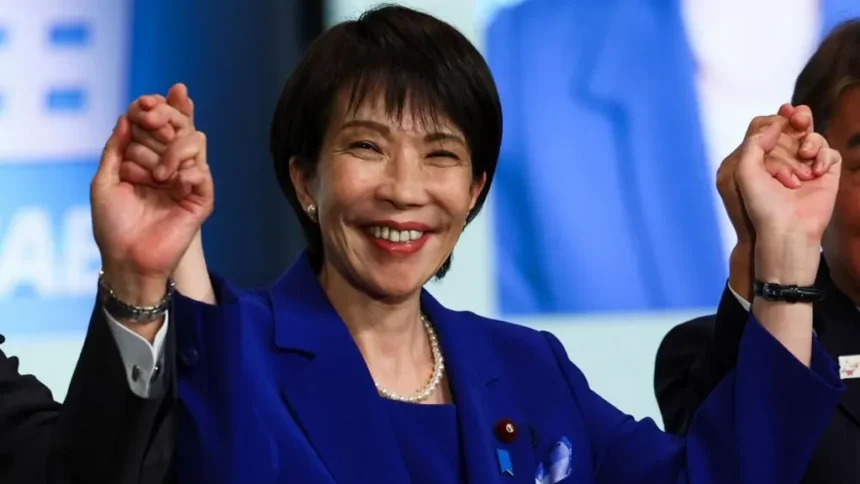
TOKYO, Japan, October 3, 2025 – Japan’s ruling Liberal Democratic Party (LDP) has elected Sanae Takaichi as its new leader. The move positions her to become the first female prime minister in the country’s history.
Takaichi, 64, is one of the most recognized figures in Japanese politics. A veteran lawmaker and former cabinet minister, she is also a former TV host and an avid heavy metal drummer.
A Nation Facing Challenges
Takaichi takes charge at a difficult time. Japan is struggling with stagnant wages, rising inflation, and a sluggish economy. Households continue to feel squeezed, and analysts warn that economic recovery remains fragile.
On the international stage, she must also navigate a rocky relationship with Washington. The next government must finalize a tariff deal with the Trump administration, agreed before Prime Minister Shigeru Ishiba resigned last month.
For deeper insights, see our world news section.
Party Divisions
The LDP faces internal turmoil after several scandals and election defeats. These losses cost the coalition its majority in both chambers of parliament.
Takaichi belongs to the party’s hardline conservative wing. According to Prof Jeff Kingston, Director of Asian Studies at Temple University in Tokyo, her rise may heal ties with right-wing voters but could alienate moderates.
“She is well placed to bring back right-wing voters,” Kingston told the BBC. “However, this comes at the expense of broader appeal if Japan faces a national election.”
A Conservative Trailblazer
Although Takaichi is about to break a glass ceiling, her record on women’s rights divides opinion. She has opposed legislation allowing women to retain maiden names after marriage and has consistently rejected same-sex marriage.
She has often described herself as Japan’s version of Margaret Thatcher. Yet experts say the comparison does not fully hold.
“In terms of fiscal discipline, she is nothing like Thatcher,” Kingston told the Financial Times. “And like Thatcher, she is not a healer. She has done little to empower women.”
Her political views reflect the influence of her mentor, the late Prime Minister Shinzo Abe. She has pledged to revive his Abenomics agenda, which emphasized government spending and low borrowing costs.
Security and Foreign Policy
Takaichi has also taken a hawkish line on defense. She has vowed to push for the revision of Japan’s pacifist constitution, arguing that the country must prepare for growing regional threats.
She frequently visits the controversial Yasukuni Shrine, where Japan’s war dead, including convicted war criminals, are honored. These visits often trigger protests from China and South Korea, as noted by The Japan Times.
Her foreign policy will therefore test Japan’s relations with its neighbors while also shaping ties with the United States.
Parliamentary Hurdle
Unlike her predecessors, Takaichi’s path to the premiership is not automatic. The LDP no longer commands a majority in parliament. As a result, she must win approval from lawmakers, including opposition members.
Political analysts told Reuters that this weakened position may force her to negotiate across party lines. If confirmed, she will make history as Japan’s first female prime minister in a system long dominated by men.
For related political coverage, see Kenya’s leadership changes and global impact.