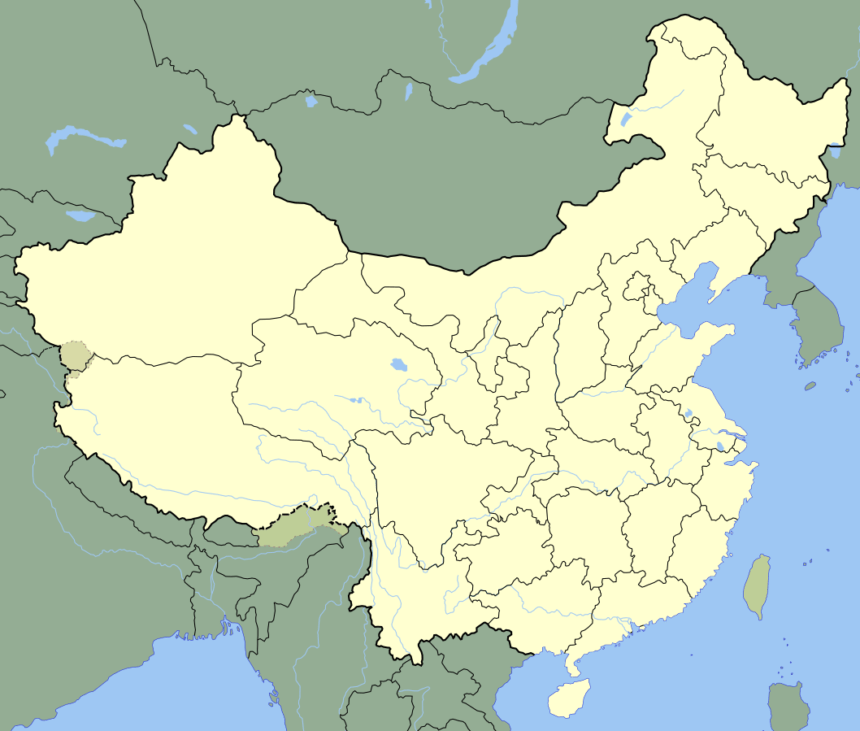
Beijing, China – July 29, 2025: In a landmark policy shift aimed at reversing a steady decline in birth rates, the Chinese government has introduced its first-ever nationwide child subsidy, offering 3,600 yuan (approx. $500) per year for each child under the age of three.
Announced on Monday, the policy will benefit about 20 million families, according to CCTV, the state broadcaster. The program is part of a broader effort by Beijing to tackle its demographic crisis, as birth rates in China continue to fall despite the scrapping of its infamous one-child policy nearly a decade ago.
“This move signals the central government’s increasing urgency to slow population decline,” said a researcher at the YuWa Population Research Institute, which tracks demographic trends in China.
Up to 10,800 Yuan Per Child in Total Support
Under the new scheme, parents can receive up to 10,800 yuan ($1,500) per child by the time they turn three. The subsidy will also be retroactively applied from January 1, 2025, allowing families with children born between 2022 and 2024 to claim partial financial support.
This announcement comes on the heels of various local pilot programs rolled out in recent years. For instance, Hohhot, a city in northern China, now offers up to 100,000 yuan ($13,800) per baby for couples with three or more children. Meanwhile, Shenyang, located northeast of Beijing, provides a monthly payment of 500 yuan to families with a third child under the age of three.
Rising Costs of Parenting Fuel Fertility Decline
One of the key reasons behind China’s low birth rate is the high cost of raising children. A study by the YuWa Population Research Institute found that raising a child to age 17 in China costs an average of $75,700, making it one of the most expensive countries in the world to become a parent, relative to income.
In response, the central government is now encouraging local authorities to implement free preschool education, further easing the financial burden on young families.
Population Decline Continues Despite Policy Shift
According to the National Bureau of Statistics, China recorded 9.54 million births in 2024, a modest increase from 2023. However, the country’s overall population fell for the third consecutive year, underscoring the limited impact of prior measures.
China’s total population, currently at around 1.4 billion, is also rapidly ageing, increasing pressure on the government to act swiftly or risk long-term economic and social consequences.
“Beijing’s strategy now appears to combine financial incentives with educational reform to create a more supportive environment for families,” noted a report by BBC News.
Will It Be Enough?
While the national subsidy is a step forward, experts warn it may not be sufficient to reverse the demographic slide. Cultural attitudes toward parenting, high urban living costs, and work-life balance concerns remain barriers to higher fertility rates.
Still, families across China are welcoming the move as long-overdue recognition of the economic challenges involved in child-rearing.