Kitui County, Kenya – July 28, 2025
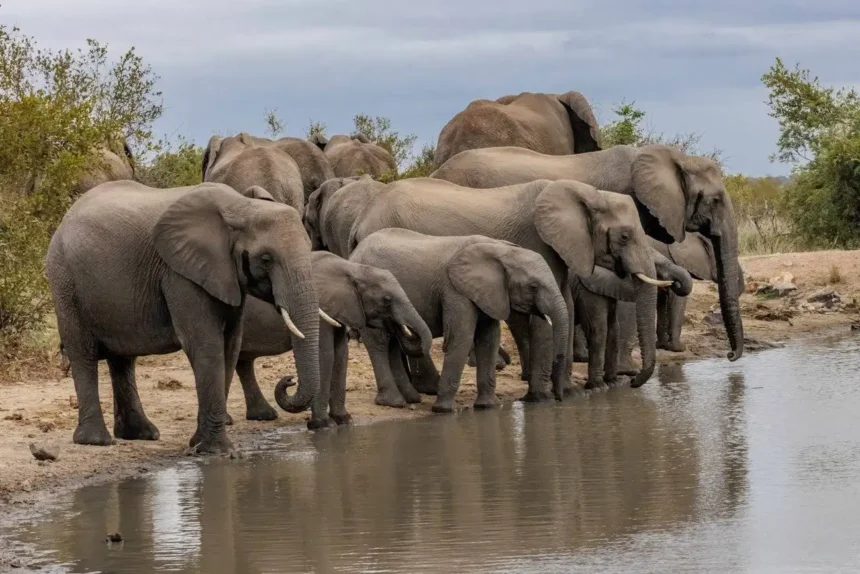
A 61-year-old herder, Ngei Kalungui, was trampled to death by a herd of elephants in Mataka village, Kyuso Sub-County, Kitui County, in a shocking incident that highlights the growing dangers of human-wildlife conflict in Kenya.
According to reports from the Kenya Wildlife Service (KWS) and local police, the tragic encounter occurred on Friday, July 26, as Kalungui was herding his cattle on his bushy parcel of land. Eyewitnesses said four elephants had wandered into the area from a nearby reserve and charged at him, killing him on the spot.
KWS Response and Ongoing Threats
Upon receiving the alert, KWS officials from Mwingi Station rushed to the scene to drive the elephants back into the nearby game reserve. The body of the deceased was moved to the local mortuary, awaiting autopsy and further investigations.
This is not the first such case in Kitui County. The region, along with other areas bordering national parks such as Tsavo East, has witnessed increased elephant-human confrontations, especially during dry seasons. Many of these animals stray from protected parks in search of food and water, often entering villages and farmlands.
Read our full report on wildlife-related fatalities in Kenya.
Root Causes—Climate Change and Habitat Loss
Environmental experts and conservation groups, including the World Wildlife Fund (WWF) and African Wildlife Foundation (AWF), have long warned of the escalating threats posed by habitat loss and climate change. With prolonged droughts—described as the worst in East Africa in decades—herders have become more protective of their already vulnerable livestock.
“The future of wildlife in Kenya is bleak unless sustainable policies are implemented to help communities coexist with nature,” said one senior KWS official.
Loss of grazing lands and shrinking habitats has pushed both wildlife and pastoralists into dangerous proximity, increasing the frequency of such deadly encounters.
What’s Being Done?
In response to rising incidents, the Kenya Wildlife Service has intensified its human-wildlife conflict mitigation campaign, which includes:
- Fencing wildlife-prone zones
- Community sensitization programs
- Relocation of stray animals
- Emergency response units in conflict hotspots
The government also runs a compensation program under the Wildlife Conservation and Management Act to aid families of individuals injured or killed by wild animals. Compensation is also extended to herders whose livestock is killed.
You can learn more about Kenya’s wildlife laws from the Kenya Law website.
The Call for Policy Reforms
As calls grow for long-term solutions, experts argue that integrated conservation policies are essential. These would include:
- Land-use planning involving community stakeholders
- Wildlife corridors and buffer zones
- Incentives for conservation by local residents
Internal Links Suggestions for sauce.co.ke
- Read more on wildlife-human conflict cases
- Latest breaking news from Kitui County
- Explore more reports on climate change in Kenya