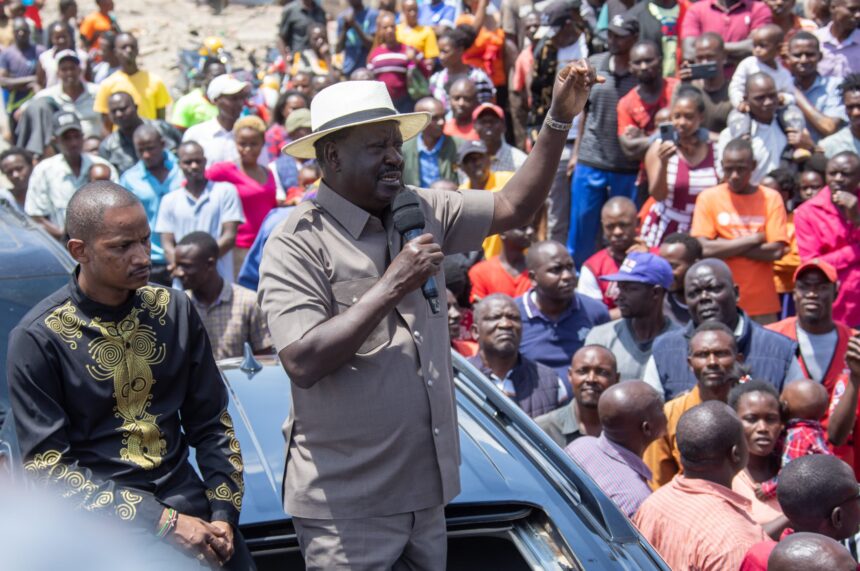
NAIROBI, Kenya, September 23, 2025 – The Orange Democratic Movement (ODM) is facing a major political test in Gusii after six MPs from the region boycotted the party’s 20th anniversary celebrations. The coordinated snub has fueled speculation of looming defections ahead of the 2027 General Election.
MPs Snub Raila’s Party
Senator Richard Onyonka and MPs Anthony Kibagendi (Kitutu Chache South), Patrick Osero (Borabu), Daniel Manduku (Nyaribari Masaba), Clive Gisairo (Kitutu Masaba), and Obadiah Barongo (Bobasi) skipped the Kisii event. Their absence was seen as a direct challenge to ODM leader Raila Odinga.
ODM has long dominated Gusii politics, but the boycott signals weakening support in a region where Odinga secured about 65 percent of the vote in the 2022 presidential election.
Kibagendi: “A Deliberate Boycott”
Kitutu Chache South MP Anthony Kibagendi confirmed that the boycott was deliberate.
“We have a candidate associated with someone unpopular. We didn’t want to show solidarity with a party that we are soon exiting. Doing so would create the perception that we support this candidate,” he said, bluntly hinting at a looming walkout.
Rift Over Raila’s Posture Toward Ruto
The lawmakers cited Odinga’s changing stance toward President William Ruto as a key reason for their discontent. They argued that his apparent willingness to work with the president has left ODM supporters feeling betrayed.
Borabu MP Obadiah Barongo said remaining tied to ODM was now politically risky. “ODM is unpopular in Kisii right now. Associating with it makes people think you support unpopular decisions,” he said.
This echoes concerns among opposition supporters who believe cooperation with Ruto undermines ODM’s role as the main opposition.
For more on Ruto’s shifting alliances, read our analysis of Kenya Kwanza’s political strategies.
Complaints Over Power Sharing
The Gusii MPs also expressed frustration over ODM’s failure to reward the region with senior positions in parliament or the executive.
Kibagendi said expectations that party treasurer Timothy Bosire would secure a cabinet post or that Gusii would get the minority whip slot were dashed.
“The party lost its glory in Kisii after changes in parliamentary leadership. That marked the beginning of ODM’s decline here,” he said.
Polls Show ODM Losing Ground
The fallout comes amid new polling that shows ODM’s popularity slipping outside its Luo Nyanza stronghold.
A TIFA survey released in August placed ODM’s national support at 28 percent, a sharp drop from the 40 percent levels seen before the 2022 elections.
Analysts say the weakening of ODM in Gusii reflects broader struggles as the party tries to remain Kenya’s dominant opposition force. For context, The Standard also reported similar declines in other regions.
What the Boycott Means for 2027
Kisii has traditionally backed Odinga strongly, but the current rebellion suggests a realignment may be underway. If defections occur, ODM risks losing parliamentary seats to rival formations ahead of 2027.
The boycott not only dents Odinga’s national numbers but also threatens his ability to lead a broad-based opposition coalition.
Political observers warn that ODM’s survival in Gusii now depends on urgent reconciliation and power-sharing reforms. Without that, the party could face its steepest test yet in the next elections.
As one Kisii resident told sauce.co.ke: “ODM used to be the heartbeat of this region. Now people are asking whether it still speaks for them.”