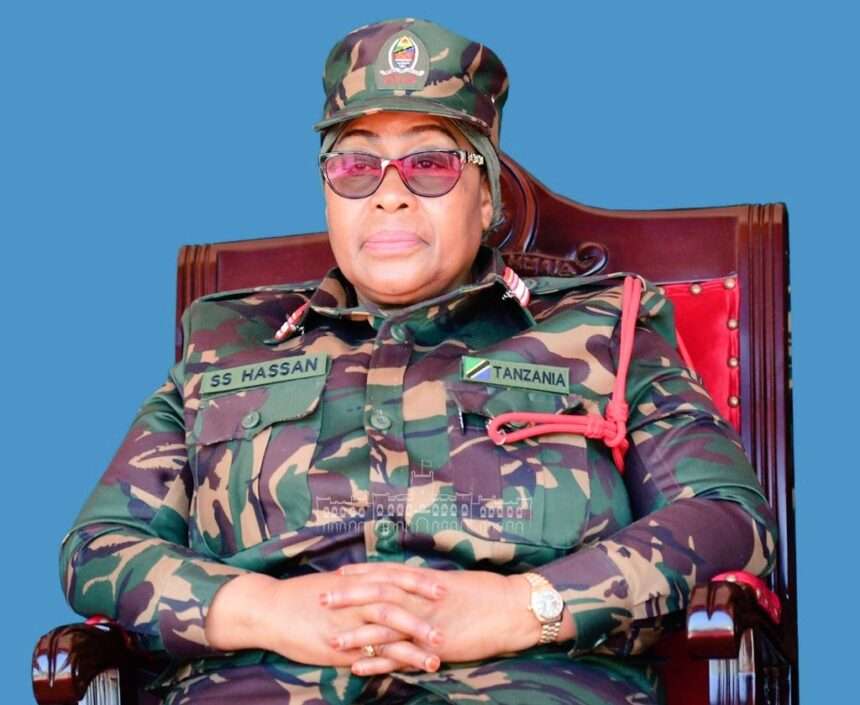
Tanzanians went to the polls on 29 October 2025 in a general election expected to extend the rule of Samia Suluhu Hassan and her party, the Chama cha Mapinduzi (CCM), but the atmosphere was anything but calm.
Pre‐Election Landscape
The lead‐up to the vote was dominated by the exclusion of major opposition players and mounting civil society concern.
The main opposition party, CHADEMA, was disqualified after failing to sign the electoral code of conduct, while its leader, Tundu Lissu, is jailed on treason charges he denies.
Also barred was the candidate of ACT‑Wazalendo, further narrowing the field of challengers.
Human rights groups such as Human Rights Watch flagged accelerating repression: media restrictions, abductions, and judicial actions against critics.
On a procedural front, the electoral body Independent National Electoral Commission (INEC) praised voter‐registration and added thousands of polling stations — yet questions lingered about the fairness of the playing field.
Election Day Unrest
As polling got underway, unrest erupted in the commercial capital Dar es Salaam. Hundreds of protesters clashed with police, set fire to a petrol station and a police station, and moved through city streets chanting for change and accountability.
In response, police and military forces were deployed and a curfew was declared from 18:00 (6 pm) local time.
Meanwhile, internet connectivity was heavily disrupted nationwide, with network‐monitoring group NetBlocks describing the shutdown as a “nationwide digital blackout”.
Polling stations in Dar es Salaam experienced notably low turnout, with citizens reportedly wary of voting amid security fears and protests.
What’s at Stake
President Samia Suluhu Hassan, who assumed office in 2021, is seeking a full term in her own right. The electoral conditions virtually guarantee her re-election: with major opposition parties sidelined, she faces only minor candidates.
Her campaign has emphasised development, infrastructure and education, yet these messages are overshadowed by concerns over shrinking political space and democratic backsliding.
Observers warn that this election could reshape Tanzania’s political landscape: either a deeper entrenchment of one-party dominance or a spark for renewed citizen unrest.
The results from the election are expected within three days. Tory outcomes appear near‐certain in favour of CCM, but the wider implications for Tanzania’s democracy and political stability remain uncertain. International monitors will be watching closely.