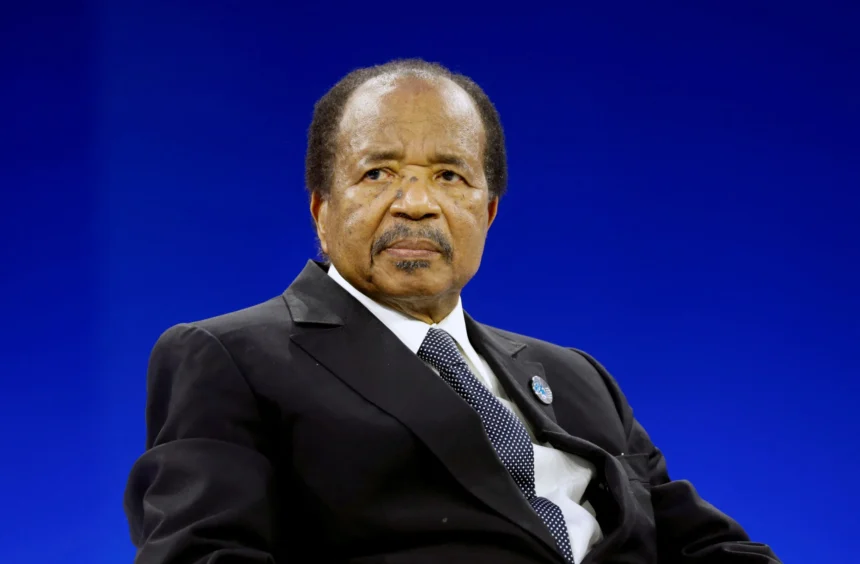
In the wake of the Paul Biya’s controversial re-election, the opposition leader has vowed to press on until the “final victory”, as fresh protests erupted in the commercial hub of Douala following the veteran leader’s eighth term in office.
At 92 years old, Biya remains the world’s oldest head of state and has ruled Cameroon since 1982.
His confirmed victory on 27 October, with an official share of 53.66 % of the vote, has deepened political fault-lines in the cocoa- and oil-producing country, where critics accuse him of using state institutions to cling to power.
Rising unrest amid contested results
Following the election on 12 October, supporters of opposition figure Issa Tchiroma Bakary—a former government minister turned challenger—took to the streets in several cities, including Douala, the capital Yaoundé and northern strongholds such as Garoua and Maroua.
They allege the vote was rigged, with Tchiroma claiming he secured 54.8 % of the ballots, a claim the government rejects.
In Douala’s New Bell neighbourhood, at least four people were killed during clashes with security forces, according to regional authorities.
Meanwhile, the rights group Human Rights Watch reported that “at least four people were killed, dozens injured and hundreds more arrested” across the country.
As of 26–28 October, over 100 protesters had been detained in Douala alone, with some legal counsel estimating the number of detainees could be at least 250.
Opposition stands firm
“The truth of the ballot is clear. We won this election by a large majority. This victory is not mine alone; it belongs to the Cameroonian people. We remain united, mobilised and will continue to resist until the final victory,” Issa Tchiroma declared.
In response, Interior Minister Paul Atanga Nji accused Tchiroma of inciting violence and rebellion by prematurely proclaiming victory and urging protests.
He described some demonstrators as “small groups often under the influence of drugs” who looted shops and set fire to public buildings in Douala.
A civil society group, Stand Up for Cameroon, said more than 500 protesters were arrested between 26 and 28 October and reportedly held in “inhumane” conditions — with lawyers describing swollen faces, bruises and humiliating treatment of detainees.
What lies ahead
The Constitutional Council’s announcement of Biya’s win on 27 October formalises the result, and under Cameroonian law it is final and not subject to appeal.
Yet the legitimacy of the outcome is sharply questioned, with observers warning of escalating unrest given the deep public distrust of the process.
In Douala, businesses began to reopen as traffic resumed and some semblance of order returned—but the light flow of commerce and visible debris from burnt tyres conveyed the enduring tension.