Political tensions are steadily rising between Kenya’s Orange Democratic Movement (ODM) and the United Democratic Alliance (UDA) as disagreements over zoning and partnership terms threaten to derail plans for a united front ahead of the 2027 General Election.
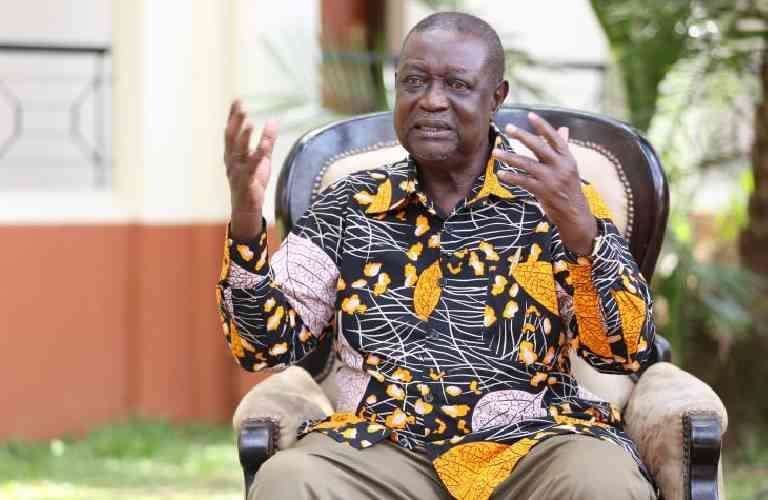
ODM leader Oburu Oginga has sought to downplay speculation surrounding the anticipated talks, dismissing circulating claims about the negotiation agenda as premature. Speaking in Kisumu during a meeting with church leaders, Oburu clarified that formal discussions have not yet begun and that the agenda is still being developed by a technical team.
“Issues being discussed in public are just people thinking aloud,” he said, adding that the official framework for talks will be made public once finalized.
Despite this reassurance, relations between the two parties appear increasingly strained, with the issue of zoning emerging as a major sticking point. ODM is pushing for an arrangement where coalition partners avoid fielding candidates in each other’s strongholds—a demand the party insists is non-negotiable.
ODM chairperson Gladys Wanga has been particularly firm, emphasizing that zoning will form a core condition in any future agreement. The party argues that such an arrangement is necessary to safeguard its political base and ensure equitable partnership terms.
However, UDA has rejected the proposal outright. Secretary General Hassan Omar has insisted that the party will field candidates across the country, maintaining that no region belongs exclusively to any political outfit.
“If you believe this is your stronghold, then why are you worried? Come, campaign, and win,” Omar said during remarks in Kilifi, reinforcing UDA’s stance on open competition.
The disagreement has triggered a broader fallout, with ODM’s Central Committee accusing UDA officials of making “unwarranted public utterances” that risk unsettling party members.
In a statement delivered by acting secretary general Catherine Omanyo, ODM demanded respect from its coalition partner, warning that continued provocations could jeopardize their working relationship.
Internally, concerns are also mounting within ODM over UDA’s aggressive grassroots recruitment drives, which some leaders fear could erode the party’s influence and reduce it to a regional outfit.
Oburu, who assumed leadership of ODM following the death of Raila Odinga in October 2025, reiterated that the party will fiercely defend its political space. While open to partnership, he stressed that ODM is not willing to cede ground in its traditional strongholds.
“We are going to compete, and we are going to compete very fiercely,” he said, noting that zoning remains just one of several tools under consideration.
While top leaders in both parties have expressed interest in forming a strategic alliance to boost their chances in 2027, the situation on the ground tells a different story.
Mistrust, rivalry, and competing political interests continue to define relations at lower levels, raising questions about whether the two parties can ultimately find common ground once formal negotiations begin.