Police in Tanzania have arrested yet another opposition leader as the government widens its crackdown on those linked to last week’s election protests.
Opposition party CHADEMA confirmed that its Deputy Secretary General, Amani Golugwa, was taken into custody just days after several top party officials were arrested.
The latest arrest comes amid growing outrage over the government’s handling of post-election dissent.
So far, at least 240 people have been charged with treason, according to court records from Dar es Salaam.
Among those arraigned is social media influencer Jennifer Jovin Bilikija, who faces two charges — conspiracy to commit a crime and treason — for allegedly urging people to buy face masks to protect themselves from tear gas during protests.
“The charge against her is that she encouraged people to buy masks to protect themselves from tear gas. Anyone can judge whether that amounts to treason,” said her lawyer, Peter Kibatala, calling the case politically motivated.
Meanwhile, the Pentecostal Voice of Kenya (PVK) has condemned the violence in Tanzania, urging the Kenyan government to intervene diplomatically to protect Kenyan nationals working in the country.
“The government must go the extra mile to ensure the safety of Kenyans abroad,” said PVK Chairman Peter Manyuru.
PVK Secretary General Habil Olembo added, “We also urge the international community and East African neighbours to uphold the rights and freedoms of Kenyans in line with UN and regional human rights protocols.”
Human rights groups have reported over 1,000 deaths from the protests, although Tanzanian authorities have strongly disputed those figures. Unconfirmed reports indicate that 145 people have so far been charged with treason, while many others remain missing.
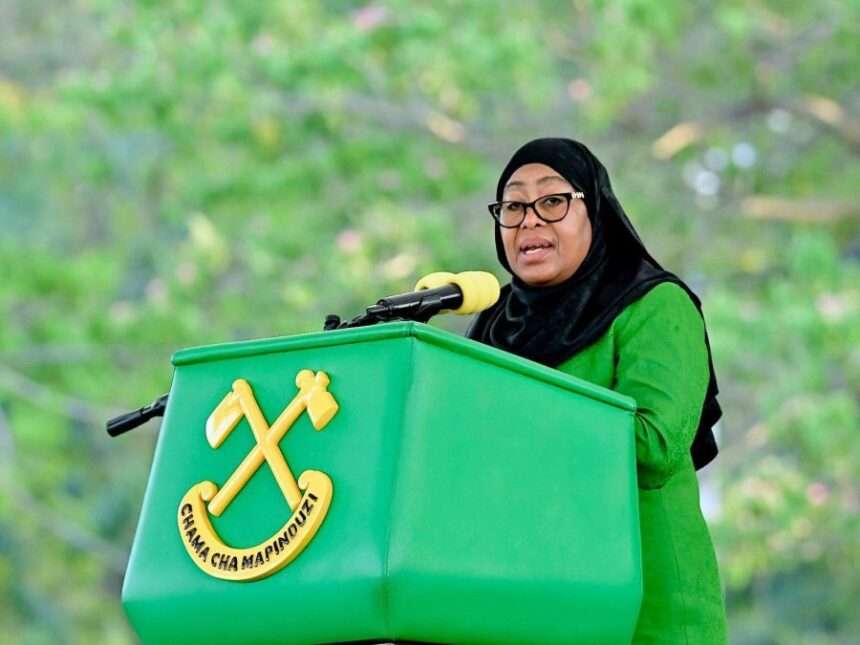
The unrest erupted after President Samia Suluhu Hassan was declared the winner of the election with 98% of the vote, a result the opposition denounced as fraudulent.
Opposition candidates were barred from contesting, sparking widespread anger.
Security forces clashed violently with demonstrators, leading to hundreds of reported deaths and mass arrests. Authorities, however, insist the election was “free and fair” and have sought to downplay the scale of the violence.
Those charged in court are accused of inciting demonstrations aimed at obstructing the election process. If convicted of treason, they could face the death penalty, though executions in Tanzania have not been carried out since the 1990s, with most such sentences commuted to life imprisonment.
As the crackdown continues, families of missing persons and rights defenders are demanding transparency and accountability from the Tanzanian government — and regional pressure to stop the ongoing abuses.