NAIROBI, Kenya, January 22, 2026 — Journalists from Northern Kenya have cancelled a planned roundtable interview with former Deputy President Rigathi Gachagua, triggering intense public debate over media ethics, freedom of expression, and political bias.
In a statement released on Thursday, the Northern Kenya Media Practitioners announced their collective withdrawal from the interview. They said the move aligned with responsible journalism, national cohesion, and constructive public discourse, principles also outlined by the Media Council of Kenya.
“It is with deep regret that we inform our esteemed audience of our decision to terminate the planned roundtable interview with Hon. Rigathi Gachagua,” the statement said.
Why the Interview Was Cancelled
According to the journalists, the decision followed extensive internal consultations. During those discussions, they raised concerns about the tone of Gachagua’s recent public remarks.
Specifically, they argued that his statements increasingly emphasised ethnic and regional divisions. As a result, they feared the interview would undermine national unity, a core value anchored in Kenya’s Constitution.
“We have closely monitored recent public rhetoric that many Kenyans now view as divisive,” the journalists said.
Moreover, they warned that the discussion risked turning into a platform for unverified allegations or character attacks, rather than an evidence-based exchange.
Commitment to Ethical Journalism
The media practitioners stressed that they acted to protect journalistic integrity and editorial independence. Furthermore, they said Gachagua’s team failed to provide guarantees that the discussion would remain respectful, factual, and issue-driven.
Consequently, they opted to withdraw rather than risk violating ethical standards promoted by global bodies such as the International Federation of Journalists.
Kenyans React: Backlash Erupts
However, the cancellation quickly sparked sharp criticism, particularly on social media. Many Kenyans accused the journalists of selective journalism and suppressing dissenting political voices.
Senior lawyer Ahmednasir Abdullahi faulted the decision, arguing that it infringed on Gachagua’s right to be heard.
“Disagreeing with Rigathi Gachagua does not justify silencing him,” Ahmednasir said.
“You cannot accuse someone of intolerance while practising intolerance yourself.”
Journalists Also Push Back
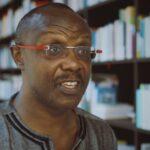
In addition, several journalists condemned the move. TV47 anchor Abubakar Abdullahi described the cancellation as unprecedented and damaging to public trust.
“Denying Rigathi Gachagua a platform to speak to North-Eastern audiences is totally unprofessional,” he said.
“This decision undermines the very foundation of journalism.”
Related on Sauce.co.ke
- Rigathi Gachagua’s post-ouster political battles
- Media freedom and ethical journalism in Kenya
- How political rhetoric shapes national unity