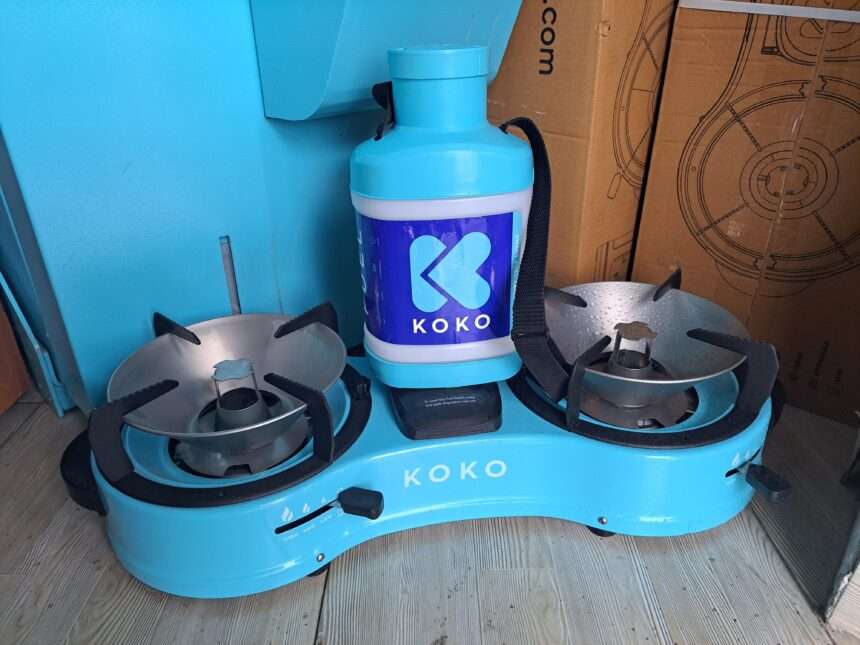
Hundreds of employees have been left jobless after clean-energy firm Koko Networks abruptly shut down its operations in Kenya, citing unresolved regulatory challenges linked to a prolonged dispute with the government.
The closure, which took effect on Saturday, January 31, caught both workers and customers by surprise, bringing an abrupt end to one of Kenya’s most high-profile clean-cooking initiatives.
Customers were notified of the shutdown through a mass text message sent early Saturday morning.
“Samahani KOKO customer, we regret to inform you KOKO is closing operations today. We will share the next steps soon. Asante for being a part of this journey,” the message read.
Industry sources attribute Koko Networks’ exit to its failure to obtain government approval to sell carbon credits in international markets — a key revenue stream that enabled the company to subsidise bio-ethanol fuel and clean cooking stoves for low-income households.
Without the required Letter of Authorisation from Kenyan authorities, the company’s business model became unsustainable, forcing it to wind down operations.
At its peak, Koko Networks served more than one million households through thousands of automated fuel dispensing stations across the country. The shutdown is expected to directly affect approximately 700 employees, with additional ripple effects likely to impact suppliers, contractors, and business partners.
The closure has also raised concerns among energy and environmental advocates that affected households may revert to charcoal and kerosene, potentially undermining gains made in reducing indoor air pollution and carbon emissions amid rising fuel costs.